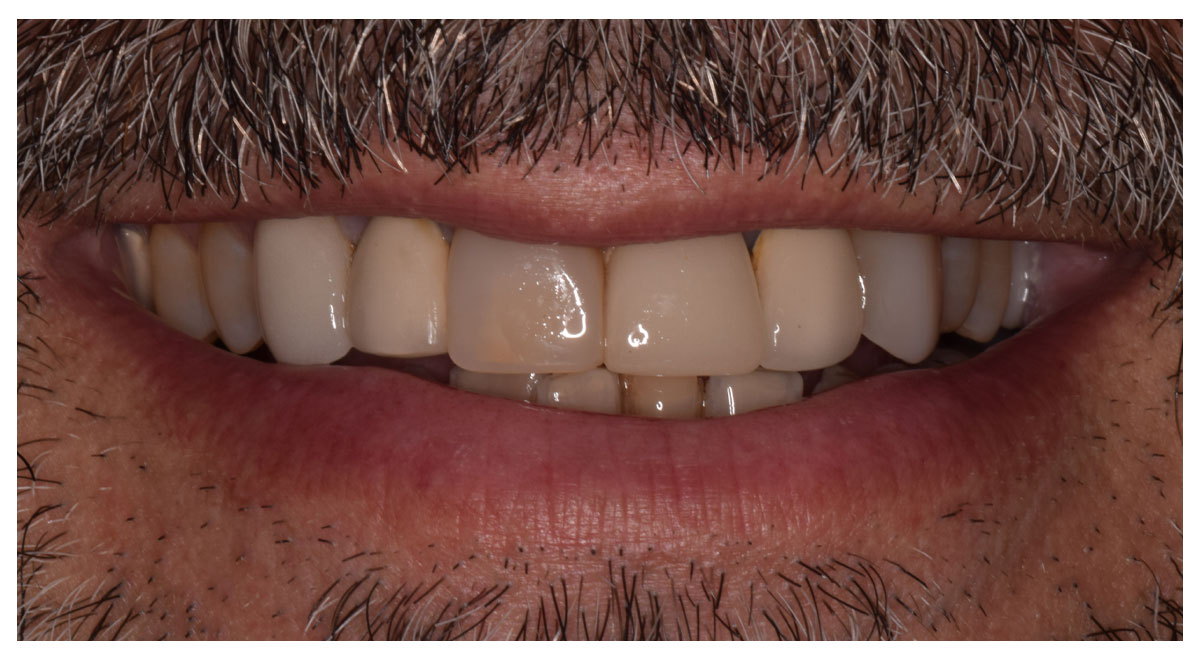
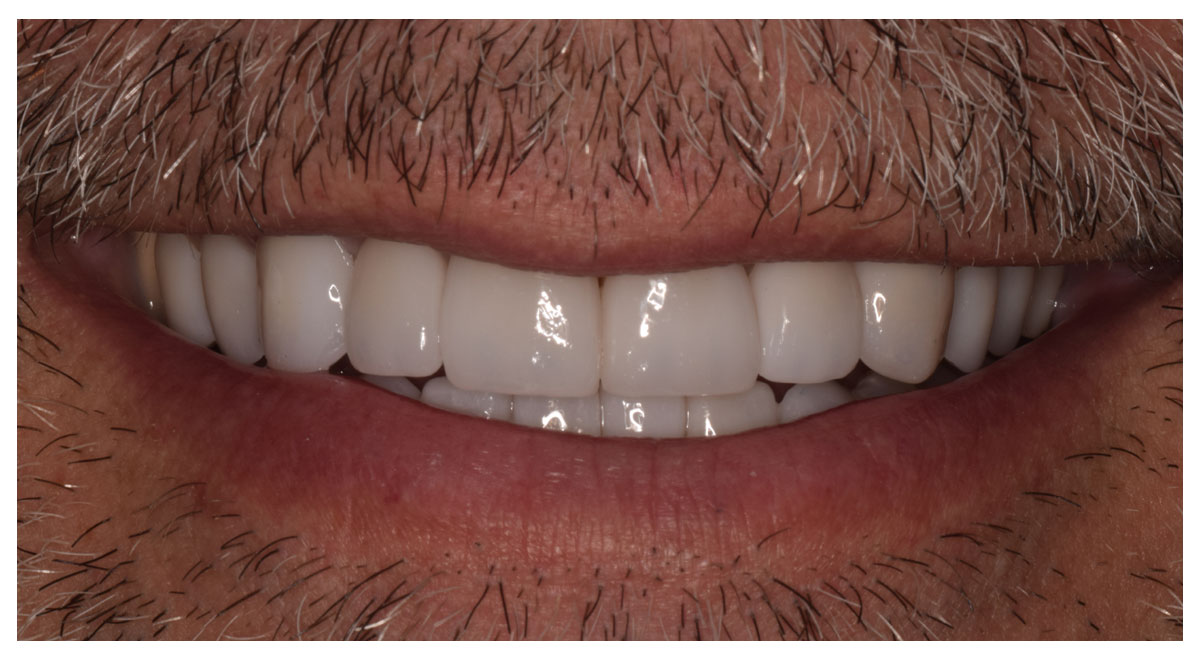
How We Make Porcelain Veneers Look Natural
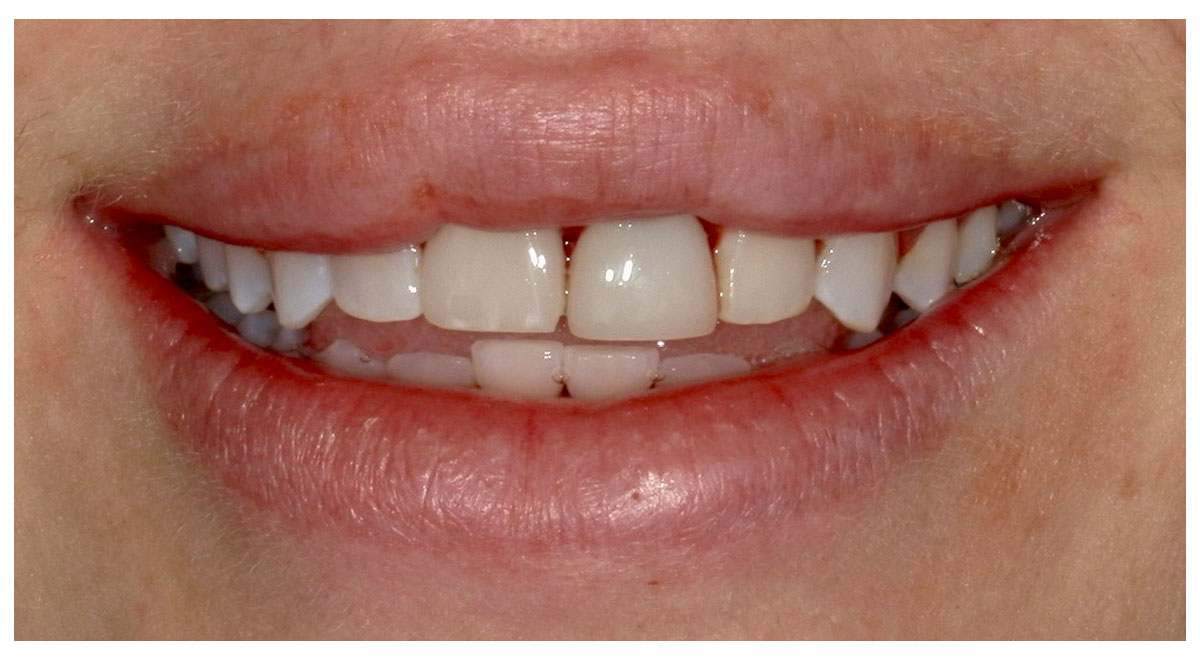
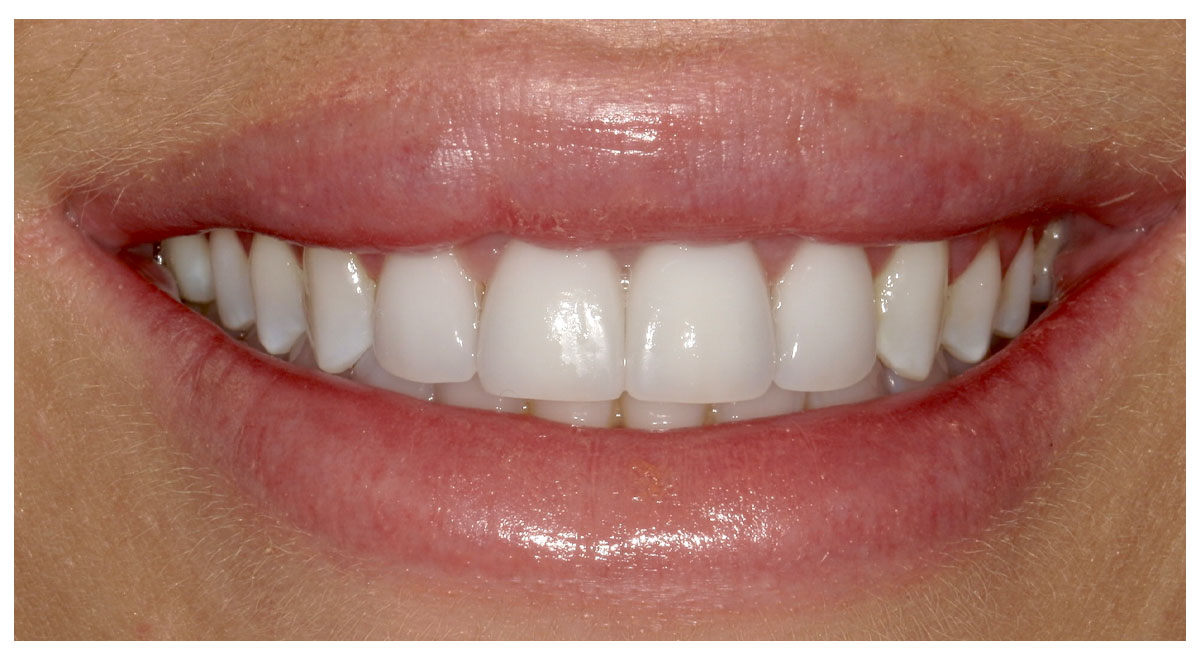
At Austin City Dental, veneers are never designed from a one-size-fits-all template. Dr. Steve Cook begins with the shapes, proportions, and characteristics already present in your smile, then creates an enhanced version that still looks unmistakably like you.
The goal is not to give every patient the same bright, perfectly uniform teeth. It is to restore natural-looking shape and structure while creating a smile that complements your face, personality, and cosmetic goals.
“We want your veneers to look like you before wear and lost tooth structure changed your smile.”
Dr. Steve Cook
Designed Around Your Face and Existing Smile
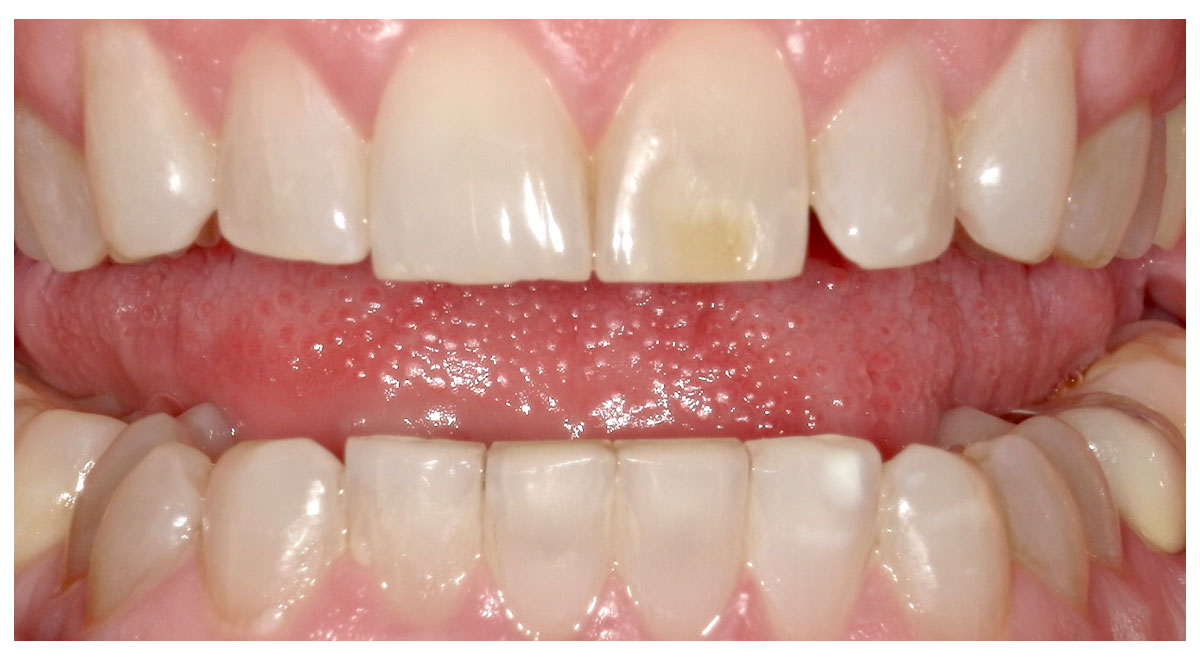
Your natural teeth provide important clues about the shapes and proportions that fit you best. Dr. Cook evaluates your existing teeth, facial features, smile width, and areas where wear may have changed the appearance of your smile over time.
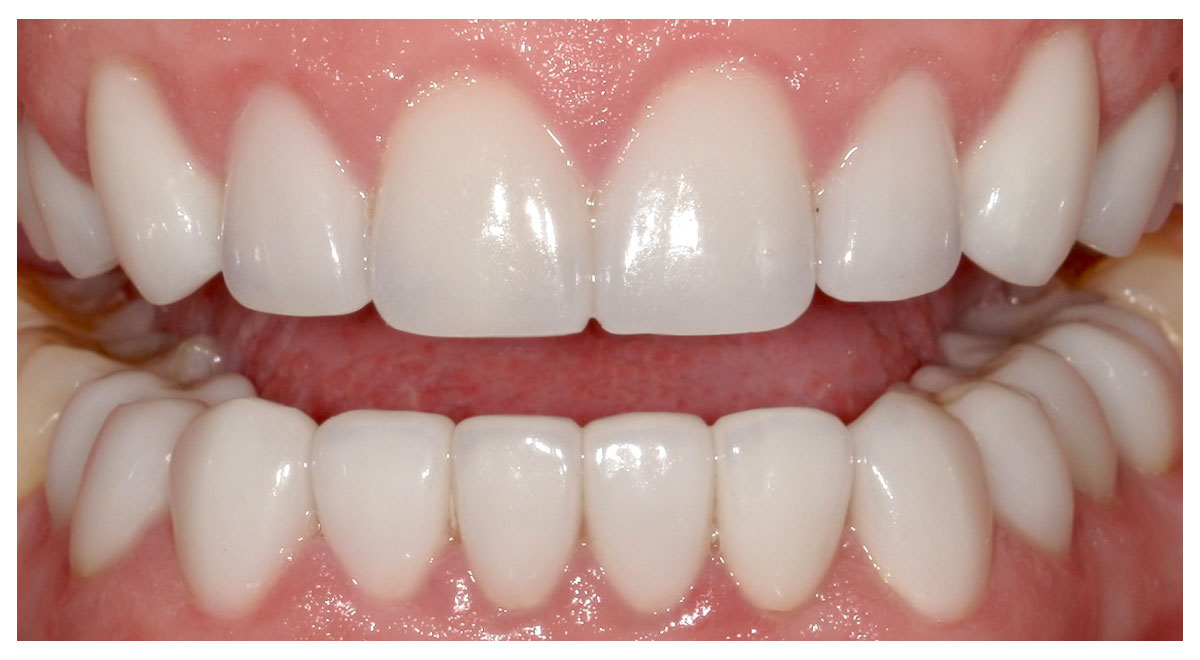
The finished veneers should look like a healthier, more refined version of your own teeth, not someone else’s smile placed into your mouth.
Lifelike Shade and Translucency
You will work with our team to choose a shade that fits the result you want, whether that means a subtle improvement or a noticeably brighter smile.
Our dental laboratory can build controlled translucency into the biting edges of the front teeth. This helps the porcelain interact with light more like natural enamel and prevents the veneers from looking flat, opaque, or artificially white.
Temporary Veneers You Can Test-Drive
Your temporary veneers are designed to simulate the proposed shape and length of your final restorations.
During this stage, you can evaluate:
- How the veneers look when you smile
- How they feel when you speak
- Tooth length and proportions
- Overall comfort
- Whether the result feels natural to you
Adjustments can be discussed before the final porcelain veneers are completed.
Careful Attention to Fit, Bite, and Function
Natural-looking veneers must also function correctly. Dr. Cook evaluates how your upper and lower teeth come together so the veneers are not exposed to unnecessary forces.
Before final placement, the veneers are tried in so their fit, shape, shade, and overall appearance can be evaluated. Final refinements can then be made before they are permanently bonded.
Strong Enamel Bonding and Long-Term Protection
Whenever clinically appropriate, Dr. Cook preserves enamel because bonding porcelain to enamel provides the strongest and most predictable adhesion.
After treatment, a retainer or night guard may be recommended to protect your veneers from nighttime grinding, clenching, or shifting. Proper home care, regular dental visits, and protection from excessive forces can help veneers remain beautiful and functional for many years.